
5 min read
A letter of support for immigration is a written statement from someone who knows the applicant personally, such as a family member, friend, neighbor, employer, or community leader, describing what they have seen or know firsthand about the applicant’s situation. It is not a legal filing on its own, but it can carry real weight in how an immigration case turns out.
These letters can help in cases handled by a VAWA immigration attorney, because witness statements may corroborate facts about abuse or extreme cruelty that other documents do not fully explain. Their usefulness depends on the facts and the requirements of the case.

What is a letter of support for immigration, and when do you need one?
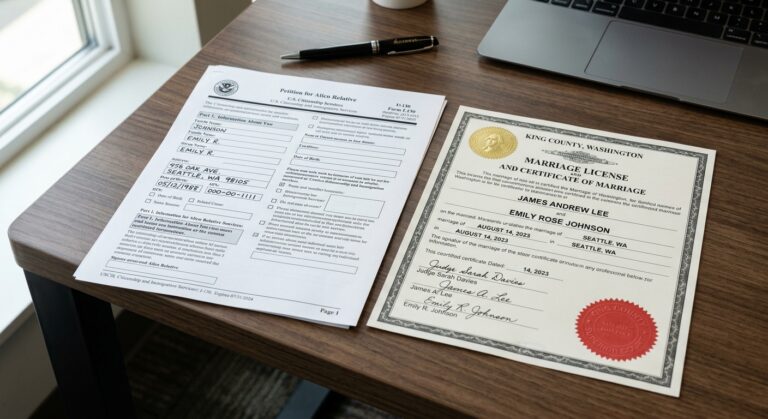
Support letters show up in many kinds of immigration cases: VAWA self-petitions, U visas, asylum, adjustment of status, family-based petitions, and waivers. What the letter needs to prove depends on the case. Some letters corroborate the applicant’s account of abuse, some show that a marriage or family relationship is genuine, and others speak to the applicant’s good moral character in front of an immigration judge.
Under USCIS evidence rules, qualifying abused spouses or children filing VAWA self-petitions may submit any credible evidence relevant to the petition without having to show that preferred primary or secondary evidence is unavailable. A detailed firsthand letter may help corroborate what happened. USCIS determines credibility and weight case by case; a letter is not automatically equivalent to a police report and does not replace the other eligibility requirements.
Who can write a letter of support?
Anyone who knows the applicant personally may be able to provide useful observations. Depending on the type of case, possible writers include:

- Family members or friends: can describe day-to-day life, changes in behavior, or specific incidents they witnessed.
- Neighbors: can confirm what was going on in or around the home.
- Employers or coworkers: can vouch for the applicant’s character and work history.
- Religious or community leaders: can speak to the applicant’s involvement and conduct in the community.
- Healthcare providers: can describe injuries or emotional changes they observed in abuse cases.
For a voluntary support letter, the writer does not have to be a U.S. citizen or green card holder. Their account should explain what they know and how they know it. If a procedure requires a formal affidavit instead, follow its specific rules about who may provide it and what it must contain.
What should a letter of support for immigration include?
A strong letter covers these essentials:
- Who the writer is: full name, relationship to the applicant, and contact information.
- How long they’ve known each other: how long and in what setting (neighbors, coworkers, church, etc.).
- Specific observations: concrete things the writer saw, heard, or knows personally.
- Why it matters to the case: how what they describe connects to the immigration application.
- Date and signature: the letter must be signed and dated; in some cases it may need to be notarized.
Keep the tone clear and direct. There’s no need for legal jargon or dramatic language. Dates, places, and particular incidents help explain what the writer observed. USCIS decides what weight to give the evidence in the individual case.
Mistakes that weaken a support letter
A poorly written letter can actually raise doubts about the applicant’s credibility. These are mistakes to avoid:
- Being too vague, like “she’s a good person,” with no concrete details.
- Presenting secondhand information as if the writer had witnessed it.
- Contradicting other documents in the case file.
- Forgetting to sign and date the letter.
- Claiming personal knowledge of events the writer cannot confirm.
- Sounding like someone else wrote it instead of the person who signed it.
It’s worth giving your letter writers some guidance on what to include and what to leave out. Our immigration lawyers in Austin, TX can review whether each letter is relevant, consistent with the rest of your evidence, and appropriate for your case.
Sample letter of support for immigration
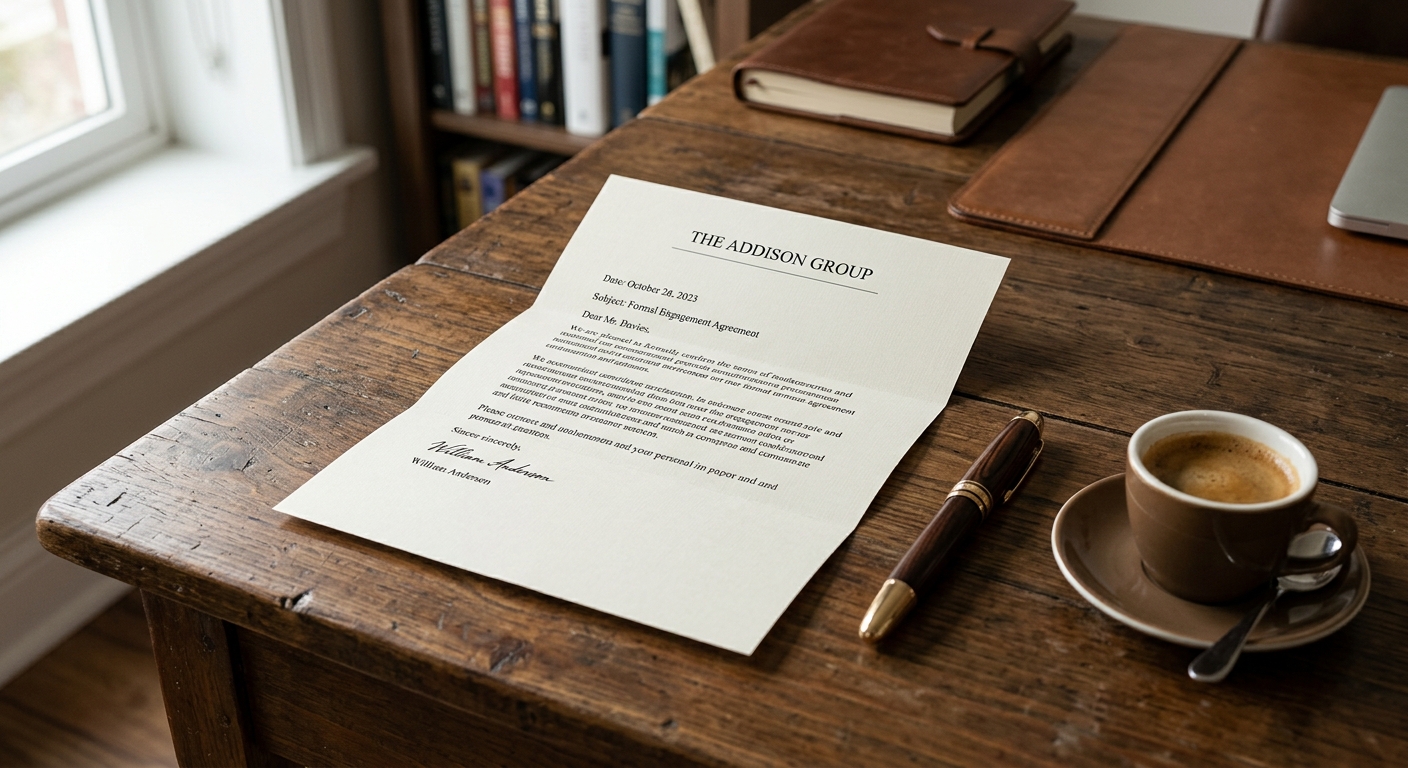
The paragraph below illustrates a voluntary support letter. It is not a substitute for a sworn or affirmed affidavit when one is required. Follow the instructions for your application and any specific requirements about the writer’s information, oath, or affirmation. Here is an example of what the main paragraph might look like:
“My name is [name], and I have been [applicant’s name]’s neighbor in [city] for three years. During that time, I saw visible bruises on her on several occasions and frequently heard arguments coming from her home. I specifically remember an incident in [month and year] when [a concrete description of what you saw or heard]. She has always been honest with me about what she was going through.”
A complete letter typically follows this structure:
- Header: the writer’s full name, address, phone number, and email.
- Date and greeting (“To Whom It May Concern”).
- Introduction: who you are, how you know the applicant, and for how long.
- The facts: what you personally observed or know, with dates and context.
- Closing statement: a declaration that everything in the letter is true to the best of your knowledge.
- Signature and printed full name.
If you submit a letter in Spanish or another foreign language to USCIS, include a full English translation certified as complete and accurate, plus the translator’s certification that they are competent to translate from that language into English. This is the translation requirement in 8 CFR 103.2(b)(3); it does not require a professional translator’s license.
Frequently asked questions about letters of support for immigration
Does a letter of support have to be in English?
You can write it in Spanish or another language, but a foreign-language letter submitted to USCIS must include a full English translation. The translator must certify that it is complete and accurate and that they are competent to translate from the original language into English. A professional translator can help, but the general USCIS rule does not require a professional license.
Does a letter of support need to be notarized?
Notarization is not a universal requirement for a voluntary support letter. Some procedures require a sworn or affirmed affidavit with specific information. Follow the instructions for your application rather than assuming that a regular letter satisfies every requirement. Ask your attorney which formalities apply to your case.
How many support letters should I submit?
For voluntary support letters, choose relevant, detailed accounts rather than relying on a fixed number. A different rule applies under 8 CFR 103.2(b)(2)(i) when both required primary and relevant secondary evidence are unavailable: after demonstrating that unavailability, the applicant must submit two or more affidavits sworn to or affirmed by people who are not parties to the petition and have direct personal knowledge. Qualifying abused spouses or children filing VAWA self-petitions have a special credible-evidence rule and do not require proof that preferred evidence is unavailable.
What if the person writing the letter doesn’t want to share their personal information?
If a witness fears retaliation, discuss that concern with your attorney before submitting the statement. The attorney can assess safety concerns and the identifying information required for the particular type of evidence. Do not assume that a witness can omit required details or submit an anonymous statement.
Can a letter of support hurt my case?
Yes, if it contradicts other documents in your file, sounds scripted, or includes claims that can’t be verified. That’s why it’s important to have an attorney who handles your type of case review every letter before it’s submitted.