

10 min read
If you are asking for an immigration waiver, the extreme hardship letter is often the heart of your case. It is the statement that explains to USCIS how your U.S. citizen or green card holder relative would suffer if you were not allowed to stay in, or return to, the United States. A strong letter is specific, organized, and backed by evidence. A weak one only talks about how sad the separation would be.
In this guide, our team explains what USCIS considers extreme hardship, who writes and signs the letter, what the officer looks for, and what evidence makes the difference. If you need help building your waiver, our green card attorneys can review your case.
What does USCIS consider extreme hardship, and what is not enough?
There is no single definition of extreme hardship in the law. USCIS looks at all of your family’s circumstances together and asks whether the hardship goes beyond what any family would normally go through when a loved one is denied a green card or has to leave the country.
That last point matters. The Board of Immigration Appeals (BIA) has said that some consequences are common to almost every case and, on their own, usually are not enough:
- Emotional pain from family separation.
- Loss of a job or lower income.
- A lower standard of living in the other country.
- Having to adjust to a new culture or language.
- Less access to schools or opportunities for children.
- Leaving behind friends and community ties.
These factors still count, but they become strong when they combine with others or are especially serious in your family’s situation. USCIS weighs everything together, so a good letter connects the dots instead of listing problems one by one.
Which waivers require this letter, and who is the qualifying relative?
The hardship must be to a qualifying relative, not to you, the person asking for the waiver. Who counts depends on the waiver:
- I-601A provisional unlawful presence waiver: your U.S. citizen or green card holder spouse or parent.
- I-601 waiver for unlawful presence or fraud/misrepresentation: your U.S. citizen or green card holder spouse or parent.
- I-601 waiver for certain crimes (INA 212(h)): your U.S. citizen or green card holder spouse, parent, son, or daughter.
In the most common waivers, a U.S. citizen child is not a qualifying relative. Your children’s hardship still matters, but only as far as it affects the qualifying relative (for example, the stress on your spouse of raising them alone). Not every waiver uses this standard: Form I-192, used in U and T visa cases, for example, is decided on different grounds. Read more about the types of immigration waivers and the I-601 waiver.

Who writes and signs the statement?
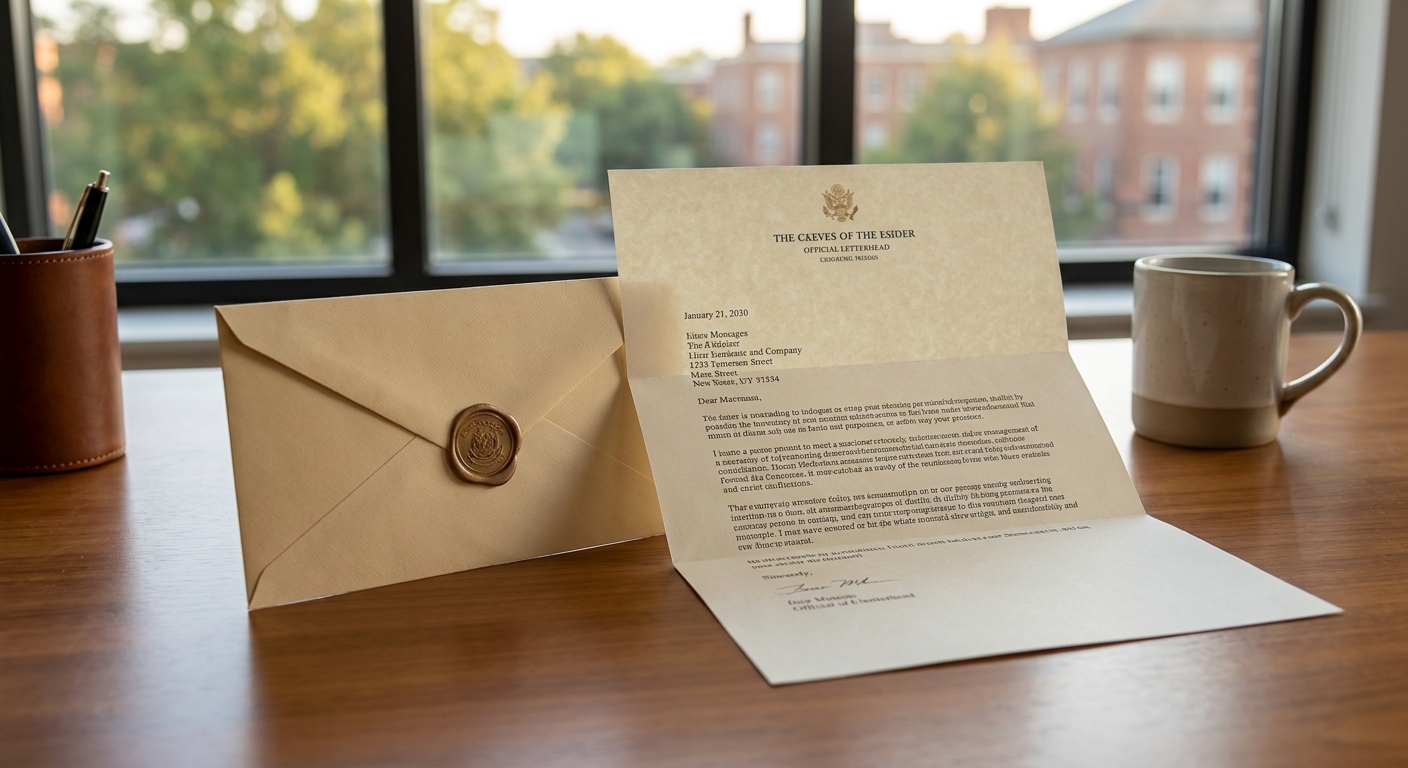
The main hardship statement is usually written and signed by the qualifying relative, in their own words, because it is their hardship that USCIS is evaluating. It should sound like them, not like a lawyer or a template. Your attorney can help organize the facts and make sure nothing important is left out, but the story must be true and personal.
The applicant can also submit their own statement, and it often helps to add letters from other people who know the family: doctors, therapists, employers, teachers, pastors, or relatives. These supporting letters work best when each one confirms specific facts. Our guide to the letter of support for immigration explains how to write them.
If the qualifying relative writes in Spanish or another language, that is fine. Submit the original along with a complete English translation and a translator’s certification.
What does the officer look for in your statement?
Officers usually review hardship in two scenarios: what would happen if the qualifying relative stays in the U.S. without you, and what would happen if they move abroad to be with you. A strong letter addresses both. These are the main areas they consider:
| Factor | What to explain |
|---|---|
| Family ties | Who depends on whom, family members in the U.S. and abroad, and how the separation or move would affect each one. |
| Social and cultural impact | Language, years lived in the U.S., community ties, and how hard it would be to start over in the other country. |
| Economic impact | Income, debts, mortgage, the cost of keeping two households, and job prospects in the other country. |
| Health and medical care | Physical or mental health conditions, ongoing treatment, and whether that care is available and affordable abroad. |
| Country conditions | Violence, safety, travel advisories, and access to services in the country where you would have to live. |
Which circumstances usually carry the most weight?
Every case is different, but these situations often make the biggest difference when they are well documented:
- A serious medical or mental health condition of the qualifying relative that requires ongoing treatment.
- The qualifying relative being the caregiver for a child or elderly parent with special needs.
- Dangerous conditions in the country of return, especially with an official U.S. travel advisory.
- Strong financial dependence that would push the family into serious hardship.
- Deep roots in the U.S.: decades here, close family, a career, or military service.
What does a well-built extreme hardship letter look like?
There is no official format, but strong letters usually share the same structure. They introduce the relative and the family, tell the story of the relationship, and then explain the hardship by topic, with concrete details in each:
- Health: the diagnosis, treatment, doctors, and what would happen to that care in each scenario.
- Finances: real numbers for income, expenses, and debts, and what changes without the applicant.
- Caregiving: who takes care of children or elderly relatives, and who would do it if the applicant were gone.
- The country of relocation: safety, jobs, health care, and language, with sources.
- Roots in the U.S.: years here, family, work, school, church, and community.
The letter should end with a clear request and the relative’s signature and date. Every claim in it should point to a document in the file.
Why a downloadable template can weaken your case
Officers read many hardship letters, and they recognize templates quickly. A generic letter full of phrases like “we would be devastated” without facts, names, or dates looks unconvincing and can make the officer doubt the rest of the file. Templates also tend to miss the details that make your family’s case different, which is exactly what can win a waiver.
Use examples only to understand the structure. The content must be your family’s real story, in your own words.
What evidence supports the extreme hardship letter?
A letter without proof is just a claim. Attach evidence for every important point:
- Recent medical records, diagnoses, prescriptions, and letters from treating doctors or therapists.
- Tax returns, pay stubs, mortgage or lease, bills, and debt statements.
- Birth, marriage, and school records showing family ties and dependents.
- U.S. Department of State travel advisories and human rights reports about the country of return.
- Letters from employers, teachers, religious leaders, and community members confirming specific facts.
What if the letter only talks about the sadness of separation?
This is the most common mistake. Separation is painful, and it should be in the letter, but USCIS already expects every family to suffer emotionally. If the letter stops there, the officer will usually conclude that the hardship is not “extreme.” Connect the emotional impact to concrete consequences (health, money, caregiving, safety) and support each one with documents.
A waiver denial can be very costly in time and money, and USCIS filing fees are not refunded. If you are preparing an I-601 or I-601A, attorney Yohana Saucedo and our team in Austin and Laredo, Texas, can help you build a strong hardship case. Schedule a consultation.
Frequently asked questions about the extreme hardship letter
Can I include my U.S. citizen children’s hardship in the letter?
Yes, but in most waivers (I-601A and I-601 for unlawful presence or fraud) children are not qualifying relatives. Their hardship counts only as far as it affects your spouse or parent, for example, the emotional and financial strain of caring for them alone. In waivers for certain crimes under INA 212(h), a U.S. citizen or green card holder son or daughter can be a qualifying relative.
How recent do medical records need to be?
There is no fixed rule, but the more recent, the better. Ideally, include records and a doctor’s letter from the last few months that describe the current diagnosis, treatment, and prognosis. Old records can show history, but they should be backed by up-to-date documentation.
Do I have to prove my relative can’t stay in the U.S. and can’t move with me?
It is best to address both scenarios. USCIS may consider hardship if the relative stays in the U.S. without you and if they move abroad to be with you. If the relative clearly would not relocate, explain why, but still describe what relocation would mean. A letter that covers both is much stronger.
Can debts and financial problems be a strong factor?
Financial hardship alone is rarely enough, because almost every family loses income when a member leaves. But serious debts, a mortgage that couldn’t be paid, or a relative who depends completely on your income can add real weight when combined with other factors like health or caregiving. Document everything with real numbers.
What if my qualifying relative doesn’t speak English?
They should write the statement in their own language, in their own words. Submit the original with a complete English translation and a signed certification from a translator who is competent in both languages. Don’t have someone rewrite the letter in English in a way that changes what the relative actually said.