
9 min read
When you lose your immigration status in the United States, one of the first questions is: what happens to my retirement savings? You worked, you paid into Social Security, and maybe you have money in a 401(k) at work. Can you keep it? Can you take it out? And could doing that hurt your immigration case?
In most cases, when people talk about “retirement” in this situation, they aren’t thinking about retiring at 65. They’re thinking about the money they’ve already paid in through their paychecks: Social Security contributions, and sometimes a 401(k) or other retirement account through an employer. They want to know if that money is still theirs and what they can do with it now.
Losing your immigration status doesn’t automatically mean losing that money. But it does change the legal context, and that affects which decisions are safe to make right now and which ones should wait. Before you act, it helps to understand where you stand.
At YSL Immigration Lawyers, we help you understand your status, coordinate your immigration filings, and plan your next step. If you need guidance, our immigration attorneys in Texas can review your case.
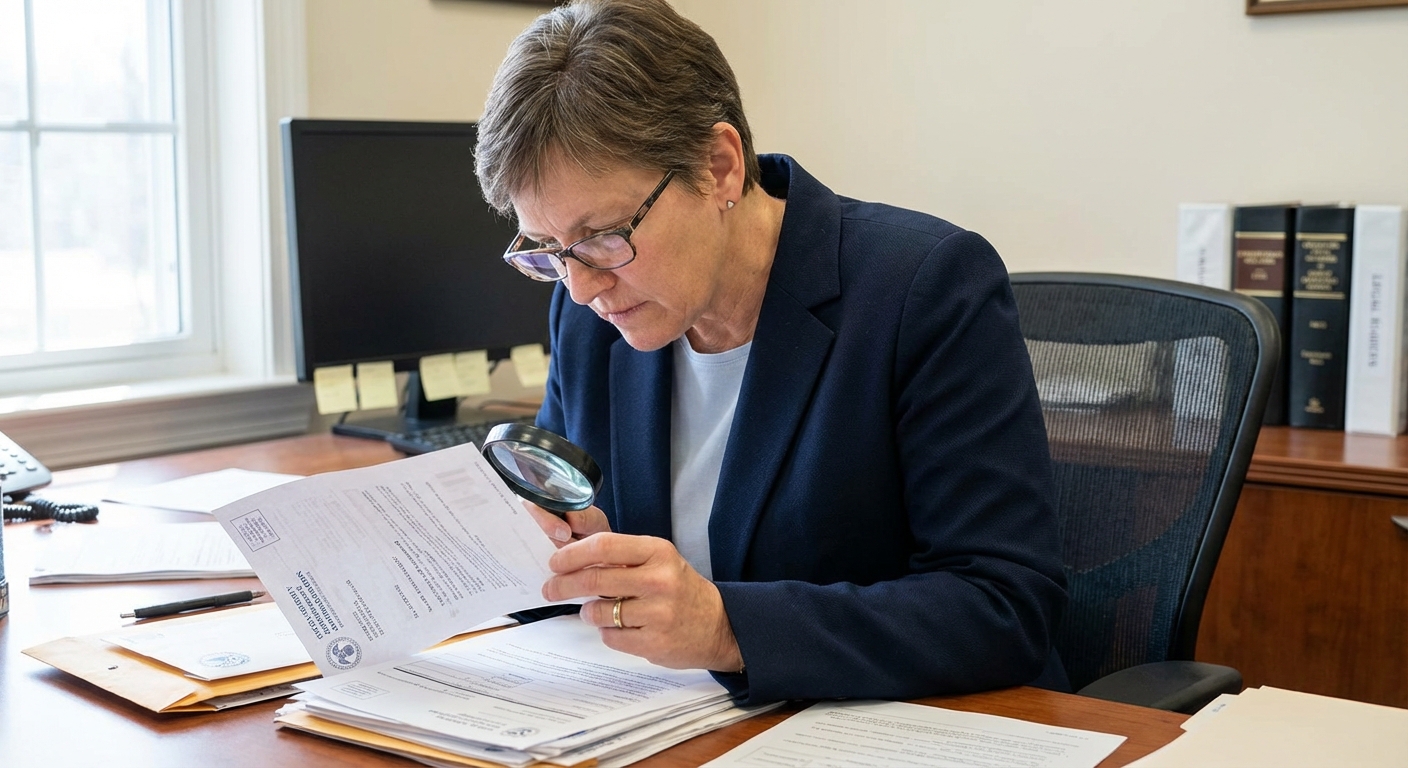
What happens to your Social Security contributions if you lose your immigration status?
The money you paid into Social Security through your paychecks stays on your earnings record. Losing your status doesn’t erase your work history. Here’s what you should keep in mind:
- Your past contributions are not lost automatically.
- Your immigration status does affect whether you can receive certain benefits.
- Not every type of retirement account or benefit works the same way.
- Each situation has to be reviewed based on your specific work and immigration history.
Having contributions on your record is not the same as being able to collect payments. Social Security retirement benefits depend on how many work credits you’ve earned, your age, and the Social Security Administration’s (SSA) rules. In general, the SSA requires noncitizens to be lawfully present to receive benefit payments in the U.S., and Social Security taxes are generally not refunded when you lose status or leave the country. Those credits can still count later if your status changes, so they are worth protecting.
A private retirement account, like a 401(k) or an IRA, is different. That money is generally yours, and losing your immigration status doesn’t by itself take it away. But taking money out early, especially before retirement age, can bring income taxes and possible additional penalties, and the rules can change if you leave the U.S. or are considered a nonresident for tax purposes. The tax rules are complex and depend on your situation, so talk to a qualified tax professional or CPA before you withdraw anything.
What risks should you know before trying to withdraw or collect your retirement money?
The biggest risk is usually not the money itself. It’s how and when you handle it. Some actions can lead to reviews, create records, or involve information that affects your immigration options later. Common mistakes include:
- Starting a process without being clear about your current immigration status.
- Triggering reviews or questions with poorly planned moves.
- Hurting future options to fix your status or defend yourself in deportation proceedings.
- Traveling or leaving the country without understanding how that departure could be treated. If you’ve built up more than 180 days of unlawful presence, leaving the U.S. can trigger a 3- or 10-year bar to returning.
- Making decisions you can’t undo based on incomplete or informal information.
So the real question isn’t only “can I get this money?” It’s “should I act now, and how?” Answering that well can protect both your savings and your immigration future.
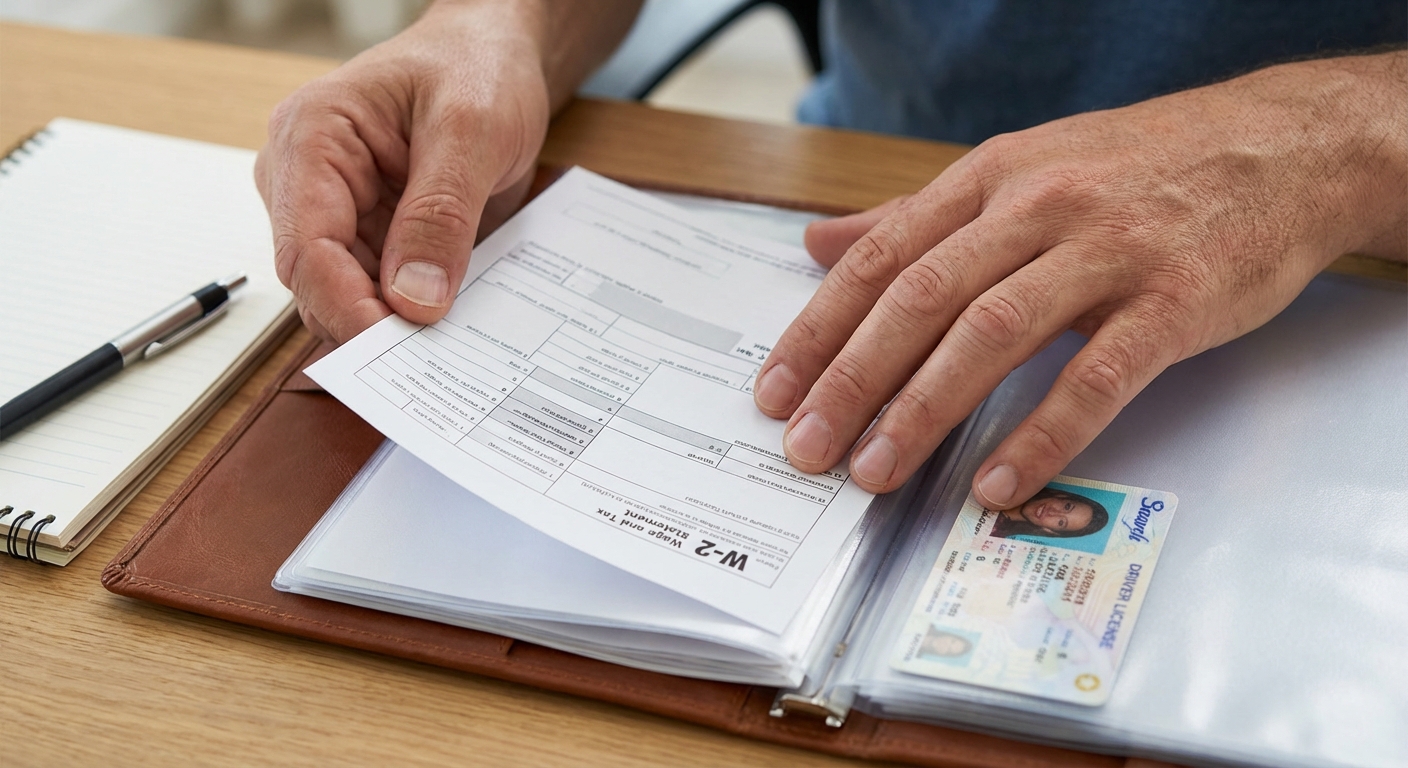
What should you do before making any decision about your retirement savings?
Before you make a move, get organized and confirm your real situation. Don’t decide based on assumptions or advice from friends, coworkers, or social media. These steps help:
- Confirm your current immigration status. Don’t assume it’s “lost” or “still active” if you haven’t received a clear notice. You can learn how to check your immigration status.
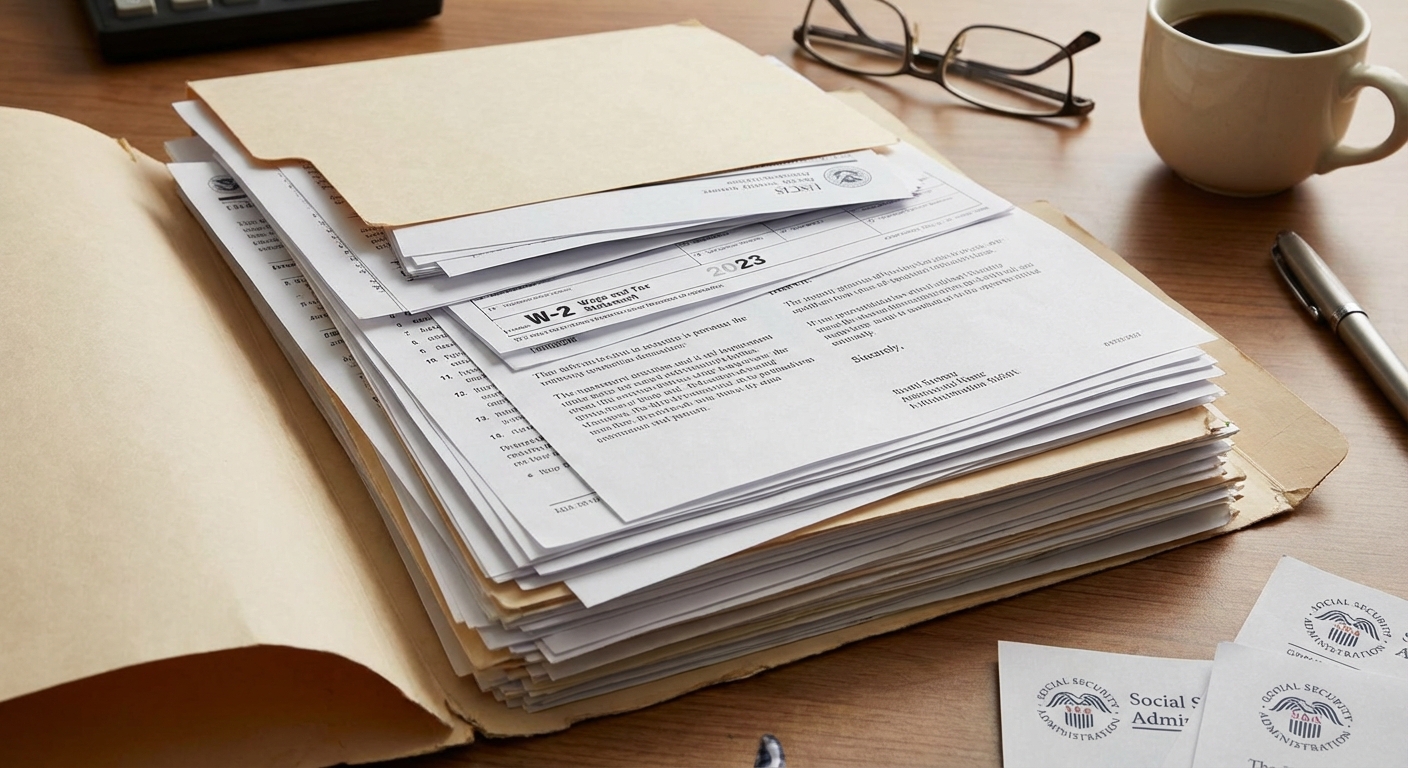
- Review your work and contribution history. Find out what contributions you have on record (you can request your Social Security earnings statement) and what’s in any employer retirement account.
- Find out if you have open or possible immigration cases. Some financial decisions can affect a pending application or an option you might still have, such as a family petition, adjustment of status, or another form of relief.
- Review any pending official notices. Check mail from USCIS, immigration court, the SSA, and the IRS so you don’t miss a deadline.
- Avoid big moves for now. Hold off on large withdrawals, travel, or leaving the country until you understand what they could mean for your case.

This pause isn’t meant to stop you from making decisions. It’s meant to help you avoid mistakes that are hard to fix once you’ve acted.
In short, there is no single right answer about what to do with your retirement savings when you lose your immigration status. Your contributions don’t disappear automatically, but how and when you manage them can affect both your finances and your immigration case.
If you need clarity on your own situation, a professional review can help you understand what to do now and what can wait. Contact YSL Immigration Lawyers at our Austin or Laredo offices for the immigration side, and work with a tax professional for the tax side.
Frequently asked questions about retirement savings without immigration status
What does it mean to lose immigration status, and what should I do first?
It means your permission to be in the U.S. may have ended, changed, or be under review. Start by confirming your current status and reading any official mail. Gather your key documents (passport, I-94, notices, work permits), keep copies of everything, and avoid traveling outside the U.S. until you’ve talked to an immigration attorney.
How do I know if I qualify for Social Security retirement benefits, and what documents do I need?
Eligibility depends on your work credits, your age, your tax history, and the SSA’s rules, including its rules about immigration status. Gather your income records (W-2s and pay stubs), a valid ID, your Social Security number, and your tax returns. Your Social Security earnings statement shows what’s on your record.
Can I keep or withdraw my 401(k) if I lose my immigration status?
In general, the money in your 401(k) or IRA belongs to you, and losing status doesn’t by itself take it away. But early withdrawals can bring taxes and possible penalties, and the rules can change if you leave the U.S. Before you withdraw, talk to a tax professional about the tax side and an immigration attorney about how the timing could affect your case.
What should I keep an eye on to avoid legal problems while planning for retirement?
Watch your contribution history, any notices from the SSA, IRS, or USCIS, your ties to the U.S., your travel and time outside the country, and the status of your green card or any pending applications. Missing a deadline or leaving the country at the wrong time can create problems that are hard to fix.
What warning signs mean I should talk to a professional?
Get help quickly if you receive a notice from an agency, a court date, or an order to appear; if you’ve spent a long time outside the U.S. without permission; if you have problems renewing your green card or removing conditions; or if you’re thinking about withdrawing a large amount of money. Don’t make rushed decisions.
When should I get legal advice, and what happens in the first review?
Get advice when your status, your options, or the documents you need aren’t clear. A first review should include a detailed look at your history, a list of the documents you’ll need, and a realistic plan. No honest attorney can guarantee a result, but a good review helps you avoid costly mistakes.