

6 min read
“When is my immigration appointment?” If you have an asylum application (Form I-589) pending with USCIS, this question matters. USCIS sends notices for your biometrics appointment, your asylum interview and other steps in your case. Missing one can delay your case, pause your work permit clock or even put your application at risk. Here is how to find your immigration appointment date and what to do if you never received a notice.
Not sure which agency your appointment is with? If it is a check-in with ICE, read how to check your ICE check-in appointment. If you have a hearing in front of an immigration judge, see how to find your immigration court date. If you need help with your case, talk to our team.
How to find your immigration appointment date with USCIS
Start with three places: your USCIS online account, your mail and your text messages or email.
- Your USCIS online account (my.uscis.gov): if you filed online or linked your paper case with your Online Access Code, your notices, including appointment notices, appear in your account.
- Your mail: USCIS still mails most appointment notices (Form I-797C) to the address on file. That is why your address must be up to date.
- Email and text alerts: if you asked for alerts (for example, with Form G-1145), USCIS may send you messages. Treat them only as alerts and always confirm in your account or on the official notice.
You can also check your case with your receipt number. We explain how step by step in how to check your USCIS case status.
For an asylum case, the usual steps are: receipt notice, biometrics appointment, possible Request for Evidence (RFE), interview at the asylum office and a final decision. The rules for asylum applications are in the I-589 instructions and in 8 CFR part 208.
How to spot a real USCIS notice
- Real notices come from official sources: your USCIS account, the mail (Form I-797C) or official uscis.gov email addresses.
- Be careful with anyone who asks for payment or personal information over the phone. USCIS does not ask for payments by phone, text or gift cards.
- Any appointment or document request should match an official notice in your account or in the mail.
- If you need to call, use only the official USCIS Contact Center: 800-375-5283.
Check your account and messages regularly
- Check your USCIS account often for updates on your I-589 and your biometrics appointment.
- If you don’t see an appointment, don’t assume there isn’t one. Notices can be delayed in the mail or get lost after a move.
- If you think you missed a notice, call the USCIS Contact Center (Spanish is available) to confirm your case status and next steps.
What to do if you never received a USCIS notice about your I-589
Don’t panic. Take it step by step:
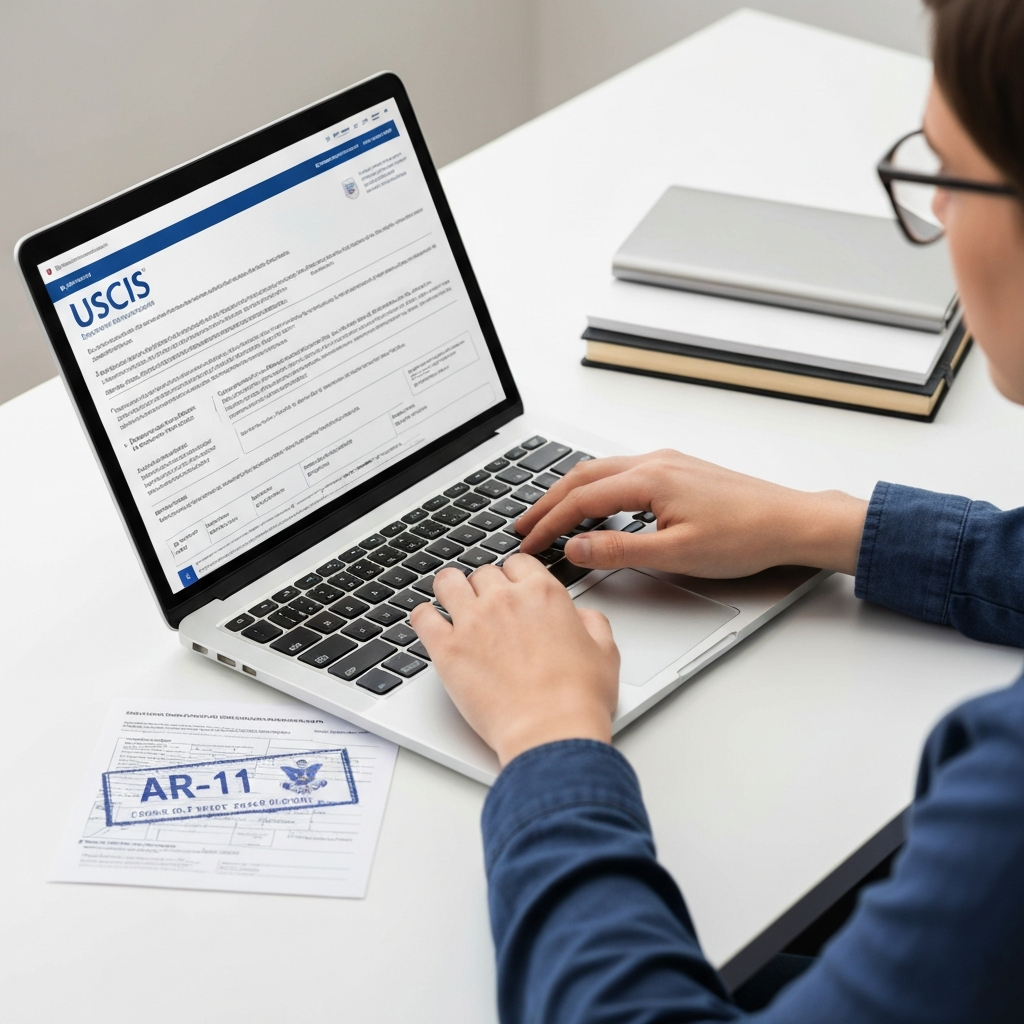
- Confirm your address. If you moved, you must report your new address within 10 days using Form AR-11 (online at uscis.gov/addresschange). If your asylum case is in immigration court, you must also file Form EOIR-33 with the court within 5 days.
- Check for an RFE. A Request for Evidence has a deadline printed on it. If you miss it, USCIS can decide your case with what it has.
- Review your online account. Look for notices, case updates and appointment dates for biometrics and your interview.
- Call the Contact Center. If you think you missed an appointment or notice, call 800-375-5283 to ask about rescheduling or your options. Act fast: missing a biometrics appointment or asylum interview without good cause can lead USCIS to treat your application as abandoned, and a missed or rescheduled interview can pause the clock for your asylum-based work permit.
Processing can be slow when there are backlogs or office closures. Keep in touch with your attorney and keep checking your account. USCIS also updates its policies and procedures, and some changes can affect how I-589 cases are handled.
Practical steps so you don’t miss a deadline
- Keep your address current with USCIS (Form AR-11 within 10 days of a move).
- Keep a record of your receipt numbers and every notice you receive, and save copies.
- Check your I-589 status in your USCIS account for new notices, RFEs or appointment changes.
- Send any requested documents before the deadline so your application is not denied.
- If there are backlogs or policy changes, work with an immigration attorney.
How to respond to an RFE and prepare your evidence
- Read the RFE carefully and note the deadline on the notice.
- Organize your evidence clearly: make an index, check dates and make sure copies are easy to read.
- In your response, explain how each document answers what USCIS asked.
- Submit your response the way the RFE tells you to. If your case is in your online account, you can usually upload it there. If not, mail it with the RFE notice on top to the address shown.
- If you are not sure your evidence is strong enough, talk to an immigration attorney before you send it.
At YSL Immigration Lawyers, with offices in Austin and Laredo, Texas, we help families keep their cases on track. Schedule a consultation.
Frequently asked questions about your immigration appointment date
How can I confirm the date and time of my biometrics appointment or interview if I didn’t get a notice?
Check your USCIS online account and your I-589 case. Check your mail and any email or text alerts. If you still don’t see it, call the USCIS Contact Center at 800-375-5283 (Spanish is available). Keep your address up to date, because a move can delay notices.
What should I do if I never got a USCIS notice about my I-589?
Stay calm and go step by step. Make sure you filed Form AR-11 within 10 days of any move, check for an RFE, review your online account and call the Contact Center if anything is unclear.
How can I avoid missing deadlines in my immigration case?
Keep your address current, check your USCIS account often, write down your receipt numbers and keep copies of everything. If you get an RFE, gather your evidence quickly and send it before the deadline.
What should I do if I get a Request for Evidence (RFE)?
Note the deadline, organize the requested evidence with an index and clear copies, explain how each document answers USCIS and submit it the way the RFE instructs. An attorney can help you make your response stronger.
What should I ask at my appointment to understand my case status?
Ask about the status of your I-589, the next steps and whether anything is pending, such as an RFE. Bring copies of your key documents and a short summary of your case history. If anything changes, ask for a new date or contact your attorney.