
7 min read
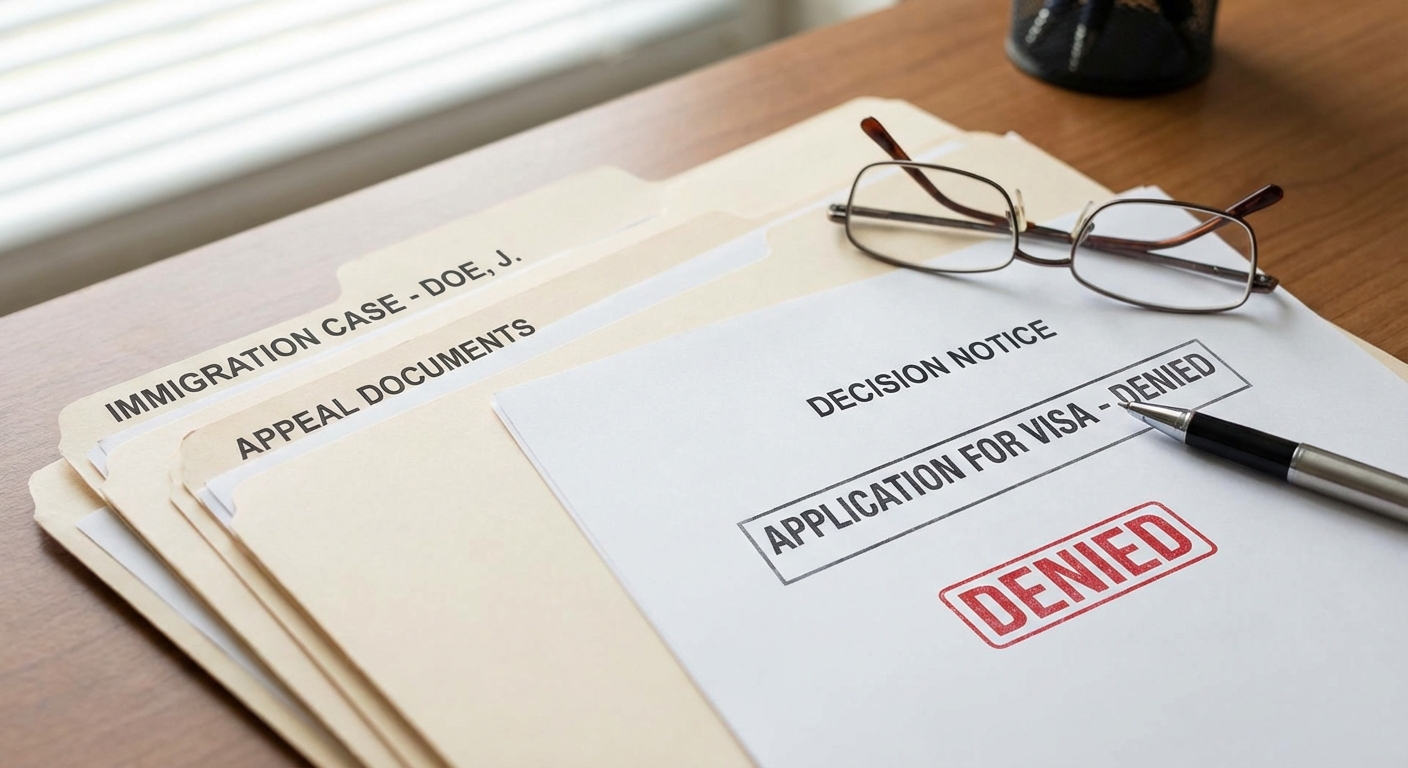
Getting a denial notice is scary, especially when the case is a protection like the T visa for survivors of human trafficking. One of the first questions people ask is simple: what happens if your T visa is denied, and what options do you still have?
A denial means USCIS did not approve the application this time. It does not always mean the end of the road. Depending on the reason for the decision, the deadlines, and the evidence you have, you may be able to ask USCIS to review the decision, file again with new evidence, or look at other forms of protection. If you are still waiting on a decision, see our guide on T visa processing time.
Reading the decision notice carefully and acting within the deadlines is key. With the right guidance, you can build a realistic strategy for your situation. Our team can review your denial and explain your next steps. Contact us.

What happens after a T visa denial?
After a denial, the first step is to understand exactly why USCIS denied the case, because that decides what you can do next. Some denials happen because of missing evidence, inconsistencies in the documents, or a technical problem. Others are based on specific legal requirements that can sometimes be challenged.
If you are in the U.S. without any other valid status, a denial can leave you without legal protection, and in some cases USCIS can refer you to immigration court. That makes acting within the deadlines even more important.
The key at this point is not to react on impulse, but to understand exactly what happened and which options are still open.
What can you do after your T visa is denied?
- Read the decision notice. Find the exact reason for the denial and any deadline it gives you.
- Choose the right path. Depending on your case, that may be a motion to reopen or reconsider, an appeal to the Administrative Appeals Office (AAO), or a new application with stronger evidence. Motions and AAO appeals are filed on Form I-290B.
- Strengthen your evidence. Add documents you didn’t send before, such as a law enforcement declaration (Supplement B), new statements, or medical or psychological reports.
- File on time. An I-290B generally must be filed within 30 days of the decision (33 days if the decision was mailed), with clear legal arguments and organized evidence.
- Look at other options. Depending on your situation, other forms of protection may apply.
- Keep track of your case. Follow your status through official USCIS channels and talk to an attorney if anything changes.
How to handle a T visa denial strategically
The right response depends on why the case was denied:
- Motion to reconsider: when you believe USCIS applied the law incorrectly based on the evidence it already had.
- Motion to reopen: when you have new facts or evidence that could change the decision.
- Appeal to the AAO: when you want a different office to review the decision.
- New application: sometimes it makes more sense to file a new, stronger I-914 instead of challenging the old one.
It also helps to know about other protections. Continued Presence is a temporary protection for trafficking victims who may be witnesses, but it must be requested by a federal law enforcement agency, not by the victim. If you were the victim of other crimes and helped the police, the U visa may be an option. If the abuse came from a U.S. citizen or green card holder spouse or parent, a VAWA self-petition may fit.
If you are in the U.S. without status or with a pending case, get legal advice right away so you don’t lose rights while a new path is reviewed. If you are outside the U.S., coordinate with your attorney and the U.S. embassy or consulate.
A T visa denial is not the final word. It is a moment to review the evidence, the deadlines, and the strategy. At YSL Immigration Lawyers, attorney Yohana Saucedo and our team in Austin and Laredo, Texas, can help you weigh realistic options, without promising results. Schedule a confidential consultation.
Frequently asked questions about a T visa denial
What happens to my status if my T visa is denied?
A denial ends that application, but it doesn’t stop you from exploring other legal options. If you had deferred action or a work permit based on a bona fide determination, those benefits generally end with the denial. Depending on the reason, you can file a motion to reopen or reconsider, appeal to the AAO, or file a new application with new evidence.
What should I do right after receiving a T visa denial?
Read the decision notice to find the reason and the deadline, which is generally 30 days (33 if mailed) to file Form I-290B. Gather new and stronger evidence, such as a law enforcement declaration, statements, and medical or psychological reports. Then decide with an attorney whether a motion, an appeal, or a new application makes the most sense.
What new evidence can help after a denial?
Useful evidence often includes a signed law enforcement declaration (Form I-914, Supplement B), updated personal statements, statements from service providers or witnesses, and medical or psychological records. The evidence should directly answer the reasons USCIS gave for the denial.
What other options might apply if my T visa is denied?
Depending on the facts, a U visa, a VAWA self-petition, or Continued Presence (requested by federal law enforcement) may apply. Each one has its own requirements and evidence. An attorney can tell you whether any of them fits your case.
When should I talk to an immigration attorney?
As soon as you receive the denial, because the deadlines are short. An experienced attorney can review the decision, prepare the evidence, and choose the best path with USCIS. No honest attorney can promise a result, but good advice helps you avoid mistakes that cost time and protection.