
7 min read
Knowing how to check your immigration status puts you back in control of your case and takes away a lot of the guesswork. Free official tools from USCIS, the Department of State, CBP and the immigration courts let you see where your case stands, whether you are inside the U.S. or abroad, without waiting on hold. At YSL Immigration Lawyers, we know every case is different, and we want to walk with you as you review your status and plan your next move.
If you want practical, reliable guidance, let’s work through every notice and every deadline together. We can review your case, prepare your evidence and choose the best strategy. Our immigration lawyers in Austin and Laredo, Texas are ready to help you with care and precision.

Steps to check your immigration status in the United States
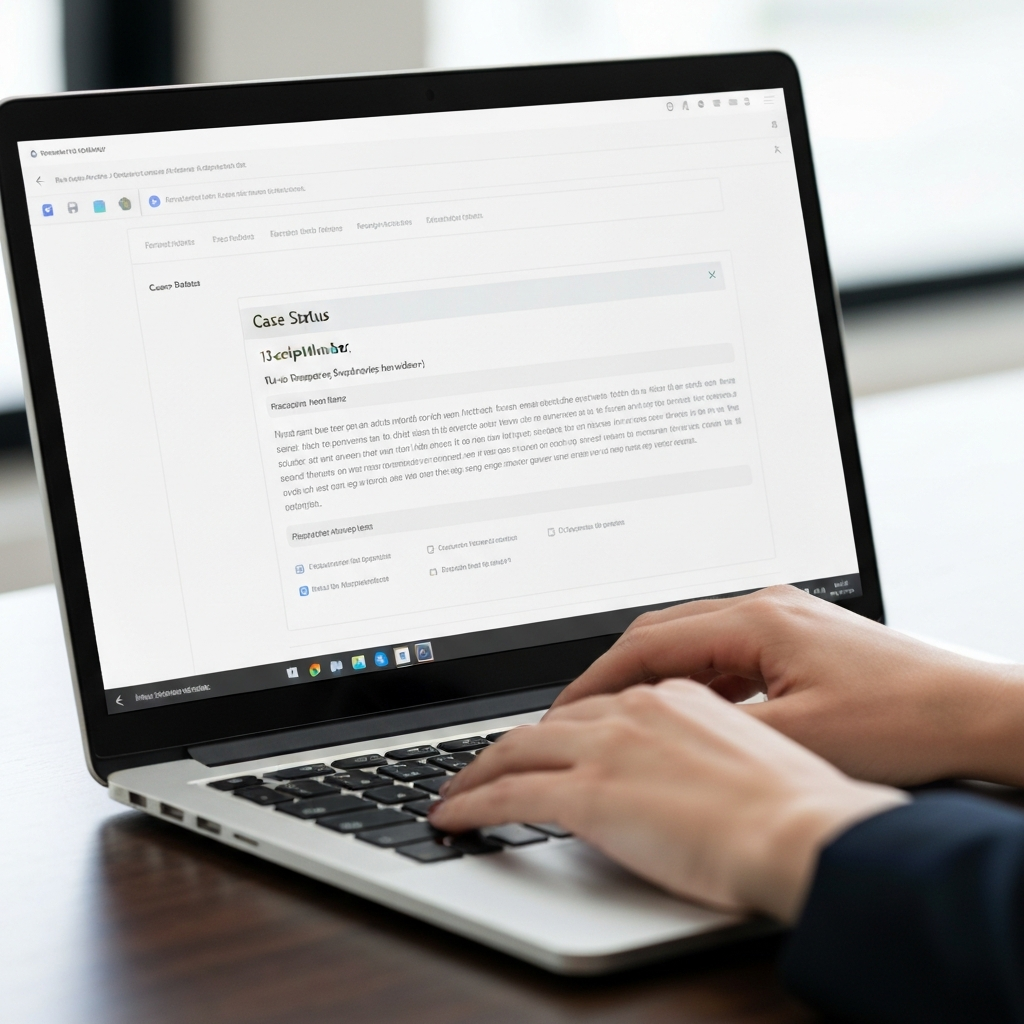
The fastest way to follow a case filed with USCIS is the USCIS Case Status Online tool. You only need the 13-character receipt number printed on your receipt notice (Form I-797C), for example for a Form I-485 or an I-765. If you want a detailed walkthrough of that tool, read our guide on how to check your USCIS case status. Keep every notice you receive in one place so you never miss a deadline.
If your case is moving forward outside the U.S., the National Visa Center (NVC) and the Department of State’s CEAC system handle your immigrant visa case. With the CEAC Visa Status Check, you can track progress using your NVC case number. Most immigrant visa applicants file the DS-260 and then see stages like “At NVC,” “In Transit,” “Ready” or “Administrative Processing.”
If you need to confirm your entries and exits, the I-94 Arrival/Departure Record from CBP is the official source. It shows the date you were admitted, your class of admission and the date your authorized stay ends. For hearings or decisions in immigration court, the EOIR Automated Case Information portal lets you look up your case with your A-number. Keep these links handy so you are ready for interviews or any change in your case.
In day-to-day terms, checking online helps you avoid delays and keep your address current. If you move, you must tell USCIS within 10 days using its online change of address tool (Form AR-11). If you get a Request for Evidence (RFE) or see progress on your case, checking your status right away is the first step to respond correctly and make your petition stronger.
What official tools can you use to check your status?
The main official tools are USCIS Case Status Online and the Department of State’s CEAC for visas. Both ask for a case or receipt number, and sometimes a CAPTCHA check. On them you can see updates like “Case Was Received,” “Request for Evidence Was Sent” or “Card Was Mailed To Me,” plus instructions on what comes next.
| If your case is… | Official tool | What you need |
|---|---|---|
| A USCIS application or petition (I-130, I-485, I-765, I-360, N-400…) | USCIS Case Status Online or your USCIS online account | 13-character receipt number |
| An immigrant visa being processed abroad | CEAC Visa Status Check (NVC / consulate) | NVC case number |
| Your admission record and authorized stay | CBP I-94 website | Passport details |
| A case in immigration court | EOIR Automated Case Information | A-number |
For immigrant visas, the Department of State portal lets you choose your visa type and shows your current status with your NVC case number. Keep your information up to date and check regularly so you can plan for interviews and required documents. All of these tools work from inside or outside the U.S., which makes it easier to manage your immigration history.
What information can you see online about your case?
When you check your status, you will see a series of stages that show where you are in the process. For example, in adjustment of status with Form I-485, your case can move from “Case Was Received” to “Case Was Approved” and then “Card Was Mailed To Me.” With the DS-260 and CEAC, you may see changes like “Administrative Processing” or an interview appointment. Watching these updates helps you plan for your biometrics appointment, your interview and any evidence you need to send.
Checking online helps you avoid confusion and stop relying on vague information. If you see that a Request for Evidence was sent, start gathering documents early and double-check that everything is accurate. If your case depends on your time in the U.S., also check your I-94 record. Keep in mind that your I-94, not your visa stamp, controls how long you are allowed to stay, and a new I-94 is created each time you are admitted.
Another key piece is your personal information. If you move, update your address with every agency handling your case: USCIS (online change of address), the NVC (through its Public Inquiry Form) and, if you are in court, the immigration court (Form EOIR-33). If you have a hearing, checking regularly gives you peace of mind about when and where you need to appear.
What you see depends on the type of case you have. If you are working toward a green card, you will see different stages than someone renewing a work permit. Knowing exactly what type of case you have helps you read each update correctly.
How to respond to a Request for Evidence (RFE) or a change in your case
If you get an RFE, gather the documents it asks for quickly and carefully. Answering before the deadline is critical to avoid a denial or more delays. Read exactly which documents are requested and send clear copies. Any document in a language other than English must include a complete English translation with the translator’s certification. Keep copies of everything you send.
If you are applying for a change of status, review every requirement and deadline set by the office handling your case. Update any information that has changed (address, job, marital status) and make sure your evidence shows you qualify. If you have questions, talk to a professional to make sure your response meets the legal and administrative requirements.
How to keep your status and avoid delays
The key is to keep an eye on your status and be accurate at every step. Keep a clear record of dates, forms filed and payment receipts. Turn on notifications if the platform allows it, such as in your USCIS online account, so you don’t miss important deadlines. Keep your address updated through the official systems so notices reach you on time.
If your situation changes, figure out right away whether you need to send more evidence or update your application. When policies change, check official sources to understand how they affect your case. Checking the official platforms often gives you confidence and prevents surprises. If you have a valid work permit, also watch its expiration date so you can renew your work permit on time. For most EAD renewals filed on or after October 30, 2025, there is no automatic extension anymore, so filing early matters more than ever.

What to do if processing is delayed and how to submit evidence
Delays can come from backlogs or policy changes. Stay calm and check your case regularly. You can also compare your case with the current USCIS processing times. If something doesn’t look right, talk to a professional so you can prepare a timely, well-organized response. Sending clear, relevant evidence in the correct format gives your case the best chance to move forward without problems.
Official tools are designed to give you transparency and control. Use the case guides and deadlines to prepare your evidence ahead of time and avoid unnecessary delays. At every step, focus on clarity and accuracy to prove you qualify.
If you want clarity and professional support, we are here to help you map out a clear, realistic and safe path for your immigration situation. Together we can review your options, prepare your documents and choose the best strategy. Contact YSL Immigration Lawyers to schedule a consultation.
Frequently asked questions about how to check your immigration status
How do I check my immigration status if I am outside the United States?
If you are processing an immigrant visa abroad, use the Department of State’s CEAC Visa Status Check with your NVC case number. If you also have a petition with USCIS, such as an I-130, you can check it with USCIS Case Status Online from anywhere in the world using your receipt number. Keep your address updated and watch for notices about interviews or required documents.
What does it mean if I get an RFE, and what should I do?
A Request for Evidence (RFE) means the officer needs more documents to decide whether you qualify. Gather clear, complete evidence, include certified English translations of any foreign-language documents, and send everything before the deadline on the notice. Keep copies of everything. If you are not sure what is missing, talk to an immigration attorney before you respond.
How often should I check my status and update my address?
Check your status at least once a month, or whenever you get a notice, because updates can happen quickly. Turn on alerts in your USCIS online account if you have one. If you move, update your address with USCIS within 10 days, and also with the NVC or the immigration court if they handle your case. Correct information prevents lost notices and missed interviews or hearings.
What should I do if my case is delayed or a policy changes?
Delays often come from backlogs or policy changes. Check your case regularly and compare it with the current USCIS processing times. If your case is outside normal processing times or something looks wrong, a professional can help you prepare a timely response or an inquiry. Use official guides to understand the deadlines and plan your evidence ahead of time.
How can I make sure my personal and contact information is correct?
Review your contact details with USCIS, the NVC and the immigration court, and update them right away if your address or phone number changes. Check your I-94 record to confirm your admission information is accurate, and keep proof of everything you send. An attorney can help you confirm your records are correct so you don’t lose time or documents.
Can I check my immigration case status for free?
Yes. All the official tools (USCIS Case Status Online, the Department of State’s CEAC, the CBP I-94 website and the EOIR case portal) are free. You only need your receipt number, case number or A-number. Be careful with websites that charge you to show information you can see on the official sites at no cost.