
5 min read
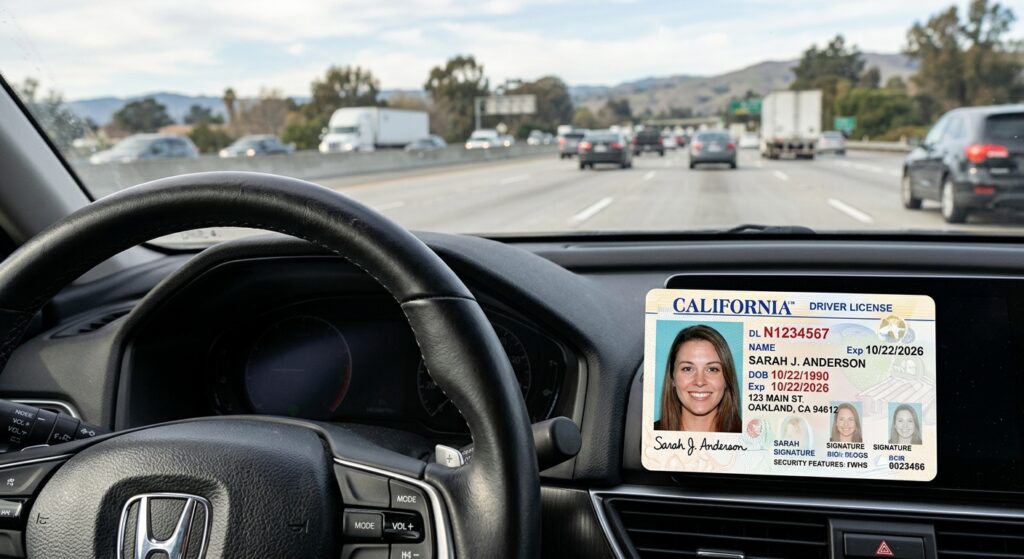
More and more U.S. states allow people without immigration status to get a driver’s license. In 2026, about twenty jurisdictions do, each with its own requirements, license names, and privacy rules.
Knowing which states offer these licenses and what documents they require is key to avoiding fines, having your car impounded, or running into immigration problems. If you live in Texas, it’s important to understand your options before doing anything; talking with our immigration lawyers in Austin can help you figure out how to handle each scenario.

Updated list of states that give driver’s licenses to undocumented immigrants in 2026
As of publication, these states and jurisdictions issue driver’s licenses without requiring a Social Security number or lawful immigration status (based on the National Immigration Law Center’s table, last updated August 2025):
- California (AB 60 license)
- Colorado
- Connecticut
- Delaware
- Hawaii
- Illinois
- Maryland
- Massachusetts
- Minnesota
- Nevada
- New Jersey
- New Mexico
- New York (Green Light Law)
- Oregon
- Rhode Island
- Utah (Driving Privilege Card)
- Vermont (Driver Privilege Card)
- Virginia
- Washington
- Washington, D.C. (Limited Purpose License)
Puerto Rico, a U.S. territory, also issues a three-year provisional driver’s license to residents who can’t show proof of authorized presence and have lived there for at least one year.
State laws in this area change, so confirm the current rules with the state’s DMV before you apply.
Texas is not on this list. The state requires lawful immigration status to issue a standard driver’s license. That’s why many people in Austin, Laredo, or Houston weigh moving or getting a license in another state.
Documents you’ll need for a state license
Each state has its own list, but the requirements tend to be similar. Many applicants are also exploring ways to fix their immigration status at the same time, which you can discuss with an adjustment of status attorney. DMV offices usually ask for:
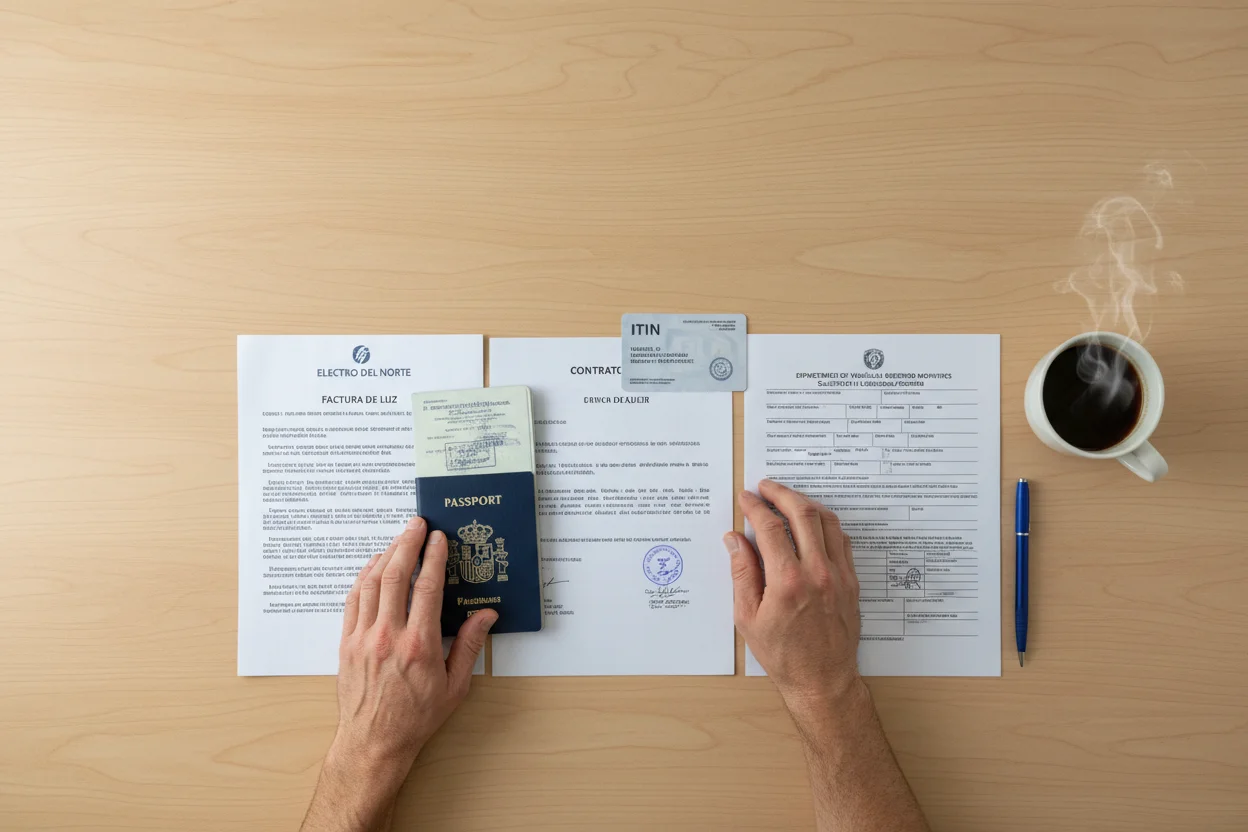
- Proof of identity: a valid passport, consular ID (matrícula consular), or national ID card from your home country.
- Proof of residence in the state: leases, utility bills, or bank statements showing your address.
- Tax ID: in several states, an ITIN (Individual Taxpayer Identification Number).
- Written and driving tests, plus the required fee.
Some states accept foreign documents without an apostille; others require a certified translation. Always check the state DMV’s official website before your appointment.
The difference between a license for undocumented immigrants and a REAL ID
A REAL ID is a license that meets federal security standards set by the REAL ID Act of 2005. It can be used to board domestic flights and enter federal buildings. Its requirements include proof of lawful immigration status, so licenses issued to undocumented immigrants are not REAL IDs.
State licenses for people without status usually have a visible marking: a horizontal band or wording like “Not for Federal Identification,” “Limited Purpose,” or something similar. That sets them apart from a REAL ID right away.
This distinction matters: these licenses let you drive legally in the state that issued them, but they can’t be used to board commercial flights or enter federal facilities. For that, you’ll need a passport or another ID accepted by TSA.
Data privacy and immigration authorities
A common concern is how much information ICE gets when someone applies for a license in a state that offers them. The answer depends on the state and the data protection laws it has passed.
Several states, like New York (Green Light Law) and New Jersey, limit federal immigration agencies’ direct access to DMV databases. Others have narrower protections or rely on internal DMV policies.
In practice, these rules change often, so check the current situation in the state where you plan to apply.
One key point: in most of these states, DMV data isn’t automatically shared with ICE, but federal authorities may be able to get it through a court order, subpoena, or specific agreements. That nuance matters when you’re weighing the real risk.
Is a state license valid for driving in other states?
Generally, yes: through reciprocity between states, a valid state license lets you drive across the country. But there are important exceptions.

Most notably, Florida passed a law in 2023 that does not recognize certain out-of-state licenses issued specifically to undocumented immigrants, so driving there with one of those licenses can lead to a citation. Other states have considered similar measures. When driving outside the state that issued your license, check that state’s current rules and carry your passport as a second form of ID.
Steps for a safe, organized application
Details vary by state, but the typical path looks like this:
- Confirm the specific requirements on the state DMV’s official website.
- Gather your proof of identity, residence, and ITIN if required.
- Study the state driver’s manual (free, and often available in Spanish).
- Schedule your written test, then your driving test.
- Pay the fees and get your temporary permit until the physical license arrives.
When moving or applying in a new state, also consider how the move could affect your immigration case. If you’re planning to apply for a green card or already have a case pending, talk to an attorney so your move lines up with your file.
Driving without a license in Texas can lead to fines, having your car impounded, and in some cases more serious immigration consequences. If you’re in that situation or need guidance, schedule a consultation with our legal team before making rushed decisions.
Frequently asked questions about driver’s licenses for immigrants
Can I fly within the U.S. with a license for undocumented immigrants?
Not on commercial flights, because these licenses aren’t REAL IDs. To fly domestically, use a valid passport (a foreign passport is accepted by TSA) or another accepted federal ID. Your state license is still valid for driving, just not for boarding a plane.
Does applying for this license increase the risk of being reported to ICE?
It depends on the state. Several states have passed laws limiting ICE’s direct access to DMV databases. Others offer less protection. These rules change often, so check the current situation in your specific state before applying.
Can I use this license as official ID?
It works as ID within the issuing state for local matters, banks that accept it, and state or local authorities. It doesn’t replace a passport and isn’t valid for federal, military, or airport purposes, or for entering federal buildings.
Can I drive in Texas with a license from another state?
Yes, as long as the license is valid and you’re a temporary visitor to Texas. If you move to Texas, state law requires you to get a Texas license within 90 days, and Texas doesn’t issue licenses to people without lawful status, which creates a practical conflict.
What happens if I drive in Texas without a license?
Driving without a license can lead to a fine, your car being towed, and a traffic record. If you’re arrested, there’s also a chance of contact with ICE in some counties, which can have immigration consequences. It’s a real risk worth discussing with an attorney before you take it.