8 min read
If you’ve finished your immigration interview and are waiting for news, the next step depends on your route: adjustment of status with USCIS inside the United States, or an immigrant visa through a U.S. consulate abroad. You may receive an approval, a refusal or denial, a request for evidence, or instructions while review continues.
We can review your situation and help you understand your options and deadlines. If you’d like practical guidance, our immigration attorneys can evaluate your case and help you plan your next steps.
If your interview was with USCIS
Inside the U.S., after the interview for adjustment of status, these are the usual outcomes under USCIS decision procedures:
- A final decision: USCIS approves or denies your case. An officer may find it approvable during the interview, but follow the written decision; there is no universal post-interview decision deadline.
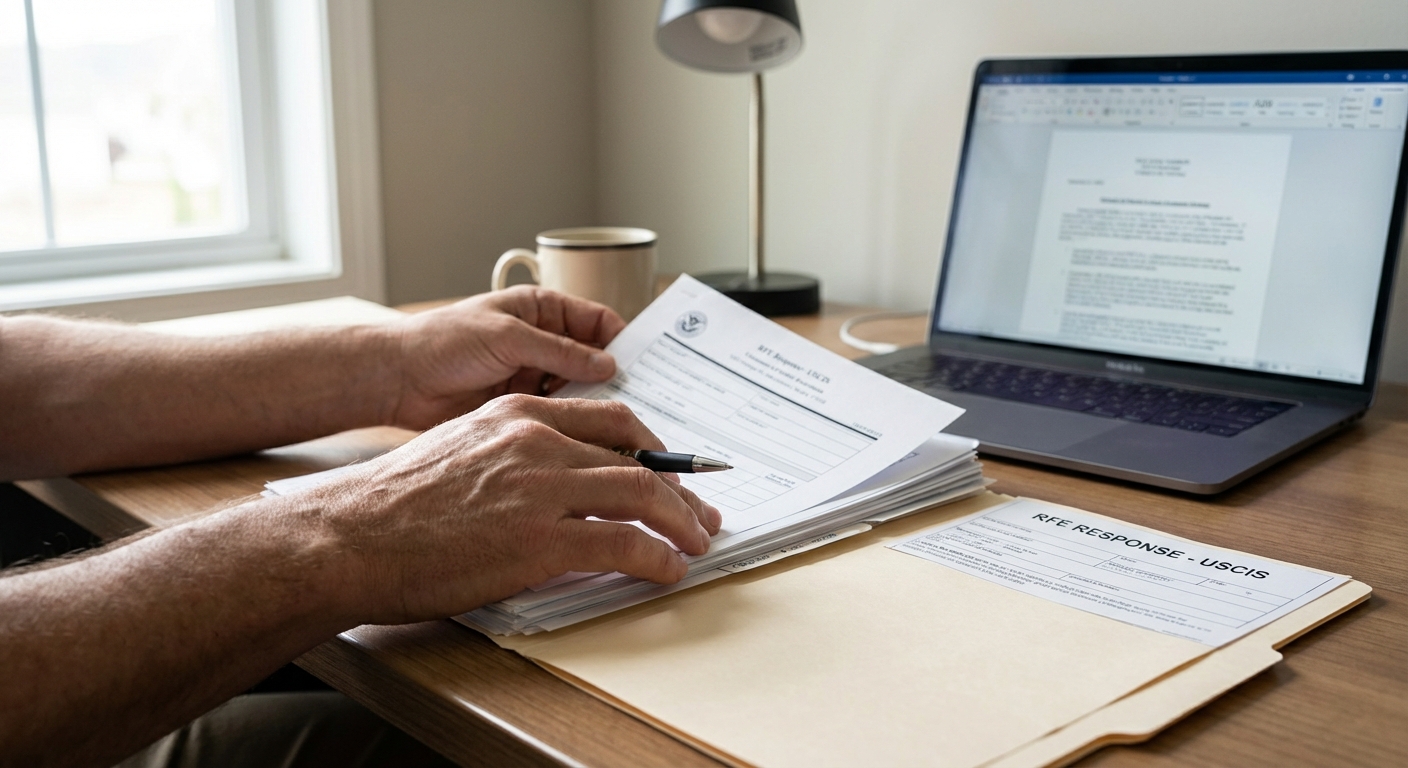
- A Request for Evidence (RFE): USCIS may request missing documents or information, with a deadline in the notice. An informal list discussed at the interview does not replace that notice or its instructions.
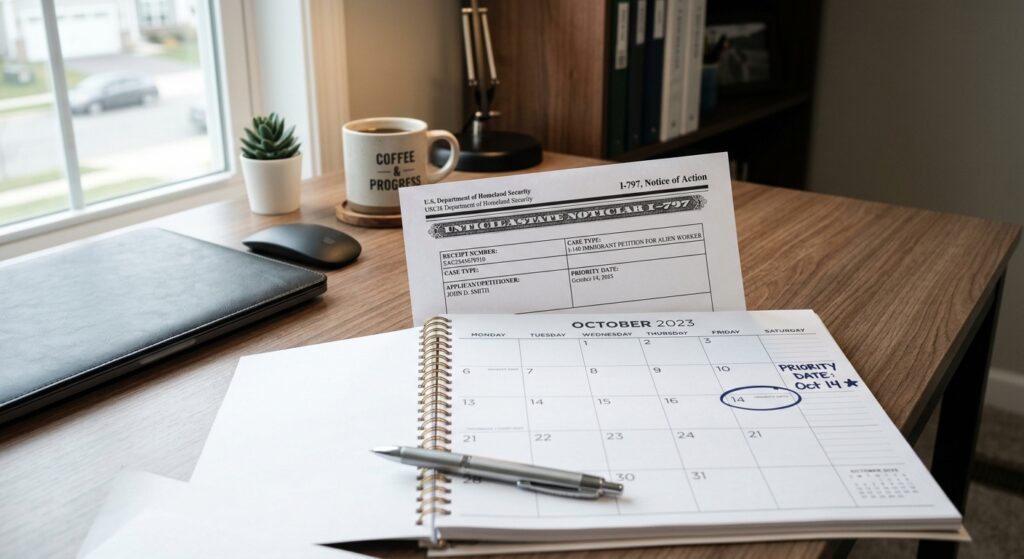
- An approval notice: if your case is approved, you’ll receive an approval notice (Form I-797) and then your green card by mail.
- A denial: read the reasons and instructions. In most adjustment cases, there is no appeal, but you may be able to file a motion to reopen or reconsider using Form I-290B. The usual deadline is 30 calendar days from service of the decision, or 33 if USCIS mailed it; in that case, service is the mailing date, not the day you received it. In removal proceedings, you may renew the application before an immigration judge who has jurisdiction. Arriving aliens generally remain under USCIS jurisdiction, subject to a limited exception; denial itself is not a removal order.
Official notices usually arrive by mail; some may also be available in a linked USCIS online account. Read the actual notice for the decision and deadlines. Don’t sign or send anything you don’t understand.
Follow the deadline in any RFE or NOID notice. A complex case does not create extra time to respond to an RFE; the regulations prohibit granting an extension.
Keep your mailing address current. Noncitizens in the U.S. generally must report a move to USCIS within 10 days, with limited exceptions. Follow USCIS address-change instructions for each pending case and any protected-case procedure; updating USPS alone does not update USCIS.
If your interview was at a U.S. consulate (consular processing)
In consular processing (outside the U.S.), the interview can end in a few different ways. These are the general steps that usually follow:
- The embassy or consulate tells you its decision on your immigrant visa.
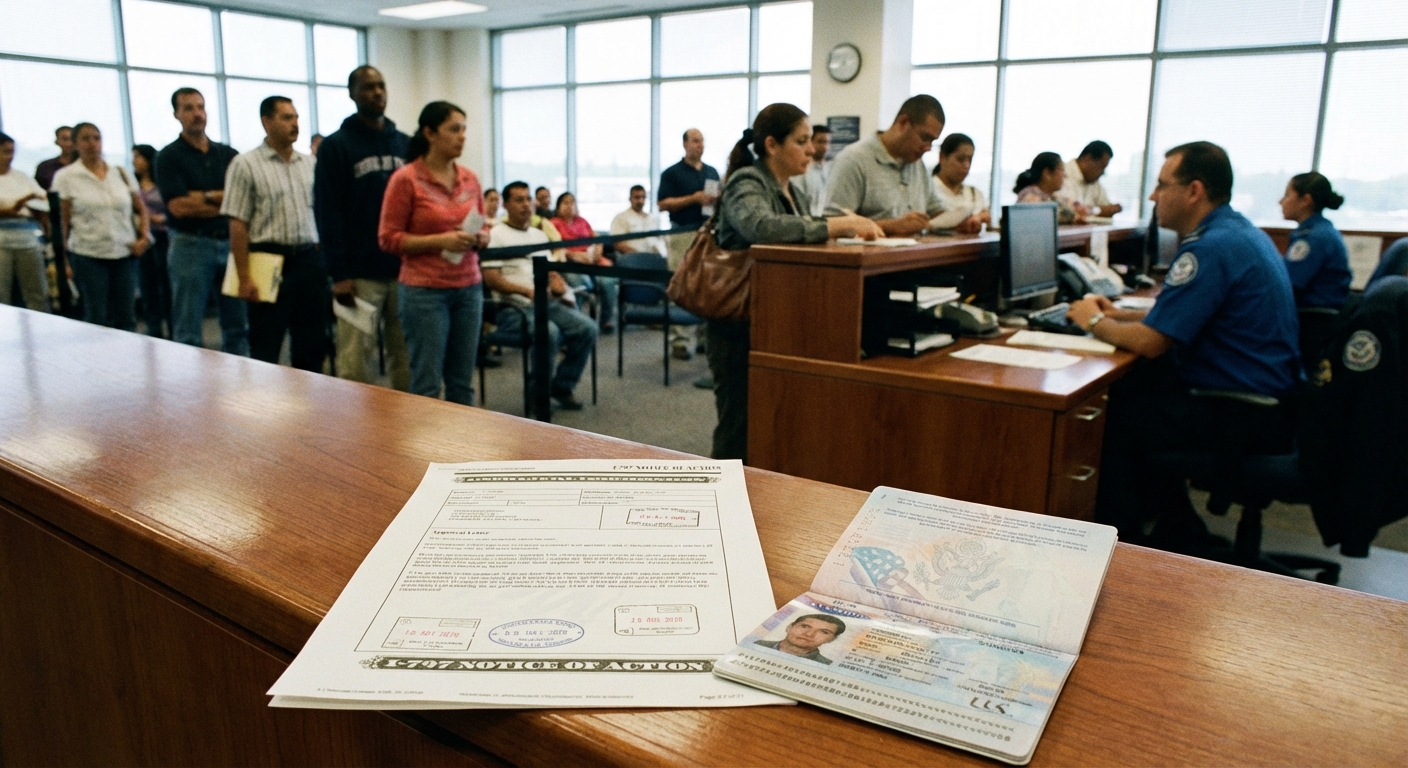
- If the visa is approved, you’ll receive instructions for getting your passport and visa. Apply for admission to the U.S. no later than the printed expiration date. Validity is usually up to six months from issuance, but an earlier medical-exam expiration can shorten it.
- If the visa is refused under INA 221(g), the consulate may need documents or administrative processing. During that review, the application remains refused; it can lead to issuance or a finding that you remain ineligible.
- The consulate may ask for more documents. Send whatever is requested by the deadline.
- Once your visa is issued, follow the consulate’s travel instructions. A visa does not guarantee entry: CBP decides admission. The principal applicant must enter before or at the same time as derivative family members with visas.
- Delays or complications depend on your case and any additional checks the government requires.
Follow the State Department instructions after the interview and any case-specific consular notice. Steps can vary by country and case. Wait until you receive your immigrant visa before making nonrefundable travel arrangements.
How to confirm approval and track green card delivery
After the interview, your USCIS case status may show messages such as “New Card Is Being Produced” or “Case Was Approved.” You can check your USCIS case status with your receipt number for the latest posted action. Read the actual decision notice for its reasons and deadlines; online status does not show every case development.
After USCIS approves adjustment, it produces and mails your green card. Delivery time varies; follow your case updates and any available card tracking information. Consular applicants instead receive a visa first, become permanent residents upon admission in that category, and receive their card afterward.
For consular immigrants, pay the USCIS Immigrant Fee unless an exemption applies. USCIS recommends paying after receiving the visa and before traveling, but payment is also possible after arrival. If payment is required, USCIS will not issue the card until you pay; nonpayment does not change your permanent resident status after admission.
If your case started with a family petition, understanding what comes after an approved I-130 helps you anticipate each stage up to the interview.
Keep your green card current: a 10-year card needs renewal, although its expiration alone does not end permanent resident status. A two-year conditional card cannot be renewed; you must petition to remove conditions using I-751 for marriage-based residence or I-829 for qualifying investors.
The usual filing window is the 90 days before the conditional card expires. Marriage-based individual and waiver filings have specific rules, so review the requirements to remove conditions for your situation.
Next steps after your immigration interview
- Review and save all official mail from immigration authorities.
- Keep your mailing address and online account up to date.
- Prepare clear answers and documents in case you get a Request for Evidence.
- Plan around your deadlines and, if needed, coordinate your responses with your attorney.
- If a notice is unclear or raises a legal issue, consider having it reviewed before you respond.
Checking and monitoring your case
- What status shows in your file? Check it on the official website or in the notices you received.
- Did you get an RFE, a Notice of Intent to Deny (NOID), or another notice? Read the requirements and the response deadline carefully.
- Is your mailing address current? Without the right address, you could miss important notices.
- Which documents are missing or need updating? Keep copies of every document and proof of mailing when it applies.
Common signs and what to do after your immigration interview
- Common signs: a written decision or an evidence request tells you what action is required. Silence or additional review alone does not establish approval or denial.
- What to do: read each notice calmly, gather the requested documents, and respond before the deadline. If you don’t understand something, get legal advice to avoid costly mistakes.
At YSL Immigration Lawyers, we review your notices, explain the options available in your situation, and help you prepare a response within the applicable deadlines. Contact us to schedule a consultation.
Frequently asked questions about what happens after the immigration interview
How long after the interview does USCIS make a decision?
USCIS may find a case approvable during the interview, while other cases need further evidence or background checks. There is no universal decision deadline after the interview. Check the current USCIS processing-time tool and its case-inquiry eligibility instructions before submitting an inquiry; passing a general published estimate alone does not establish eligibility.
What does it mean if the officer said my case is “pending”?
It means no decision was made at the interview. The officer may need to review documents, finish security checks, or get a supervisor’s approval. Keep checking your case status and watch your mail for an RFE or a decision.
What is administrative processing after a consular interview?
Some visa applications refused under INA 221(g) need administrative processing. The application remains refused while the consulate checks eligibility, and the review may lead to visa issuance or continued ineligibility. Its duration depends on the case. Follow the refusal sheet and consular instructions, and check the State Department visa-status system for posted updates.
Can I travel while my adjustment of status case is pending after the interview?
Departure generally abandons a pending adjustment application unless an applicable exception is met. For an applicant outside exclusion, deportation or removal proceedings, prior Advance Parole and inspection and parole on return can avoid abandonment. Certain H, L, K or V travelers have separate exceptions with their own conditions. Advance Parole does not guarantee return or admission.
The August 13, 2026 decision in Matter of Delcarmen-Lara changed the departure rule prospectively. USCIS explains that departures on or after that date, including with Advance Parole, count for the three- or ten-year unlawful-presence grounds. This new rule does not apply retroactively to earlier departures.
Generally, more than 180 days but less than one year of unlawful presence during a single stay, followed by voluntary departure before removal proceedings and seeking admission within three years, can trigger the three-year bar. One year or more during a single stay and seeking admission within ten years after departure or removal can trigger the ten-year bar. Exceptions and available waivers require individual review. Talk to an attorney before traveling.
What if my adjustment of status case is denied after the interview?
Read the denial notice promptly. In most adjustment cases, there is no appeal, but you may be able to file a motion to reopen or reconsider using Form I-290B. The usual deadline is 30 calendar days from service of the decision, or 33 if USCIS mailed it; in that case, service is the mailing date, not the day you received it.
In removal proceedings, you may renew the application before an immigration judge who has jurisdiction. Arriving aliens generally remain under USCIS jurisdiction, subject to a limited exception; denial itself is not a removal order. Talk to an attorney about the available options and the deadline in your notice.